web-developmentSun Jan 18 20263 min read
10 Proven Tips for Building High-Performance Full-Stack Web Applications
Introduction:
Building a full-stack web application is both exciting and challenging. From designing the frontend to structuring the backend, every decision affects speed, scalability, and user experience.
In this blog, we’ll cover 10 practical tips that help developers create web applications that are fast, secure, and enjoyable to use. Whether you’re building a personal project or a professional platform, these tips will make your app shine.
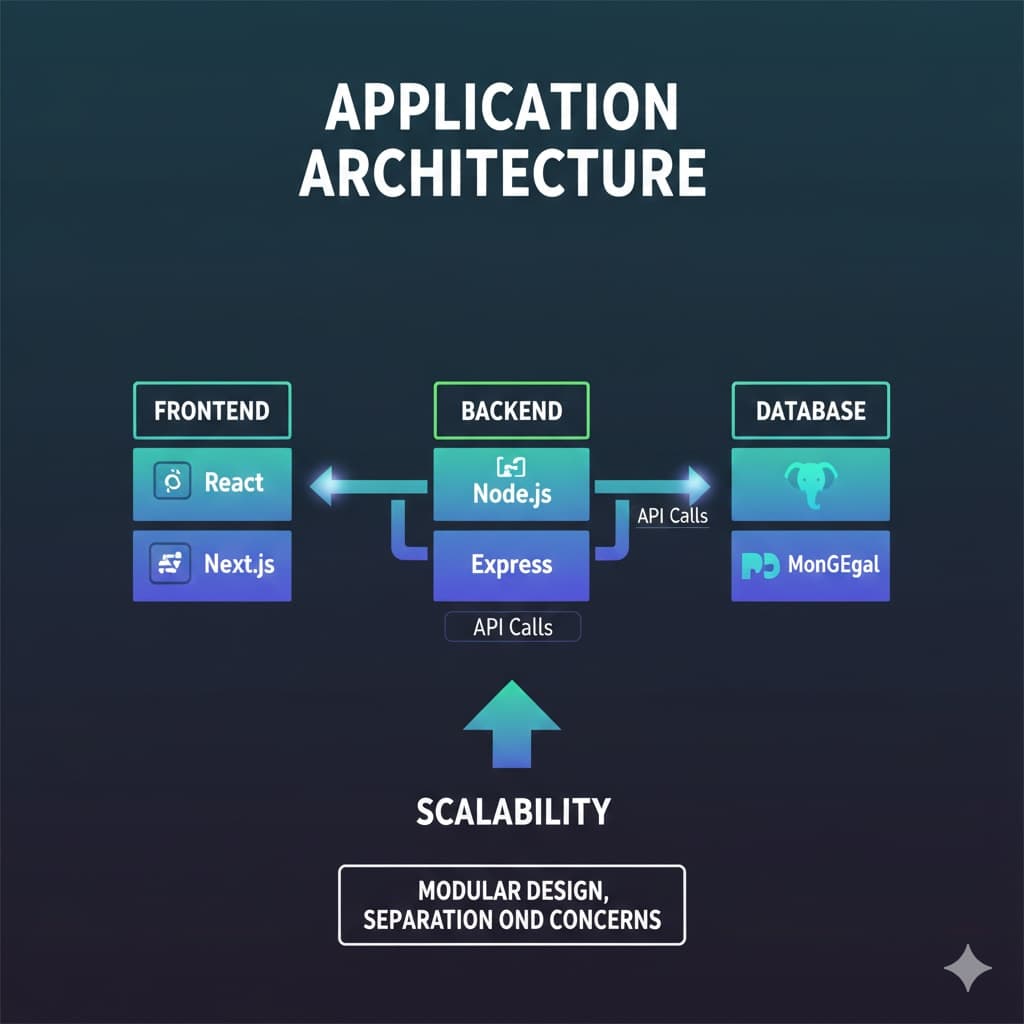
1. Plan Your Application Architecture
Before writing a single line of code, map out your tech stack and architecture:
Frontend: React or Next.js
Backend: Node.js + Express
Database: MongoDB or PostgreSQL
Tip: Use a modular architecture and maintain a clear separation of concerns (UI, business logic, data). This makes your application easier to scale, debug, and extend in the long run.

2. Optimize Frontend Performance
Frontend speed is critical for user retention and SEO. Use techniques like:
Lazy loading components
Optimizing images (WebP recommended)
Minifying CSS and JS
Server-Side Rendering (SSR) for SEO and faster initial load
Tip: Always optimize performance early. Fixing performance issues later is harder and more expensive than doing it right from the start.

3. Implement Secure Authentication & Authorization
Protect your app with:
JWT-based authentication for session management
Role-Based Access Control (RBAC) for sensitive routes
Password hashing (bcrypt) for secure storage
Tip: Never store plain-text passwords and always protect sensitive routes with role checks to prevent unauthorized access.

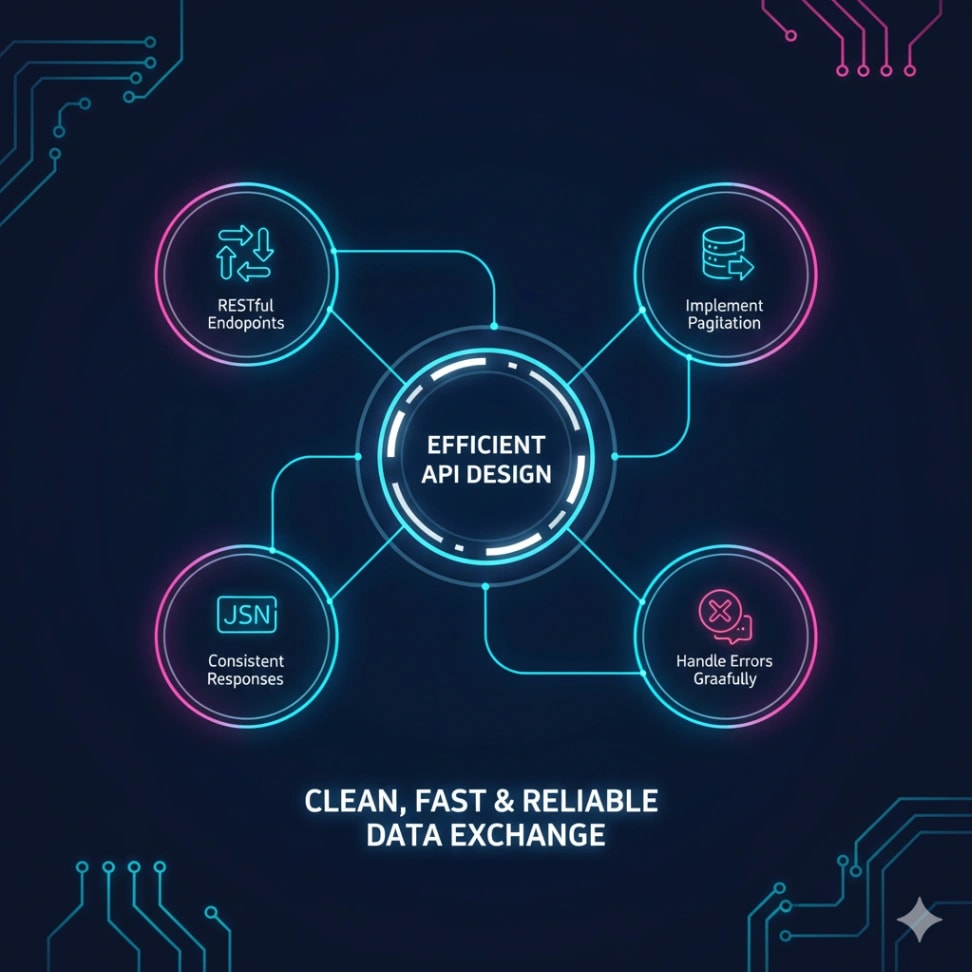
4. Design Efficient APIs
Key practices for backend:
Keep endpoints RESTful and clear
Implement pagination to avoid overloading data
Return consistent responses and handle errors gracefully
Tip: Design APIs as if other developers will use them—clear endpoints and consistent responses save time and reduce bugs.
5. Optimize Database Performance
A poorly optimized database can significantly slow down even the most well-designed backend system:
Use indexes for frequent queries
Validate schemas for consistent data
Optimize queries and avoid heavy joins
Tip: Monitor slow queries regularly and optimize them early to prevent performance bottlenecks as data grows.

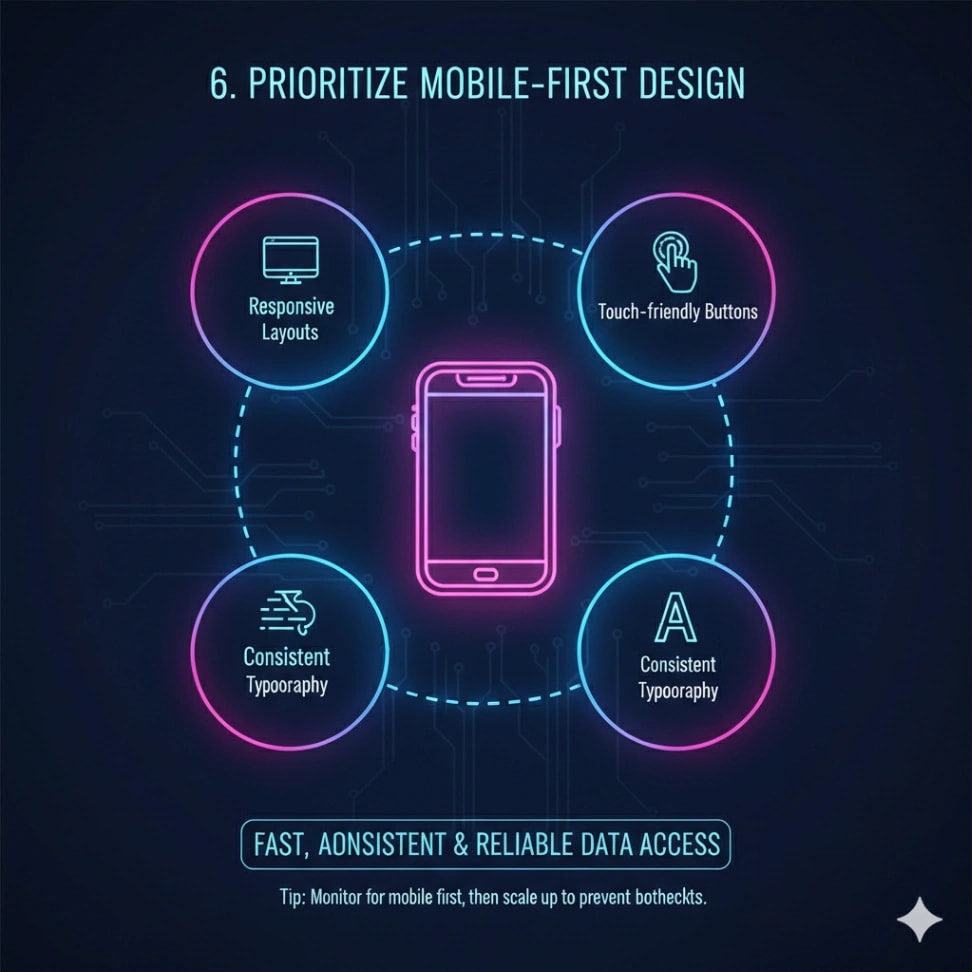
6. Prioritize Mobile-First Design
Most users access apps via mobile devices. Ensure:
Responsive layouts
Touch-friendly buttons
Consistent typography and spacing
Use TailwindCSS for fast and clean UI
Tip: Design for mobile first, then scale up for desktop. This approach improves usability and conversion rates.
7. Add Real-Time Features Thoughtfully
Enhance UX with real-time updates via WebSockets or Socket.IO:
Optimize connections for multiple clients
Avoid overloading the app with frequent updates
Tip: Use WebSockets or Socket.IO carefully—only update what’s necessary to avoid unnecessary server load.

8. Test Everything
Unit testing: Jest, Mocha
Integration testing: API endpoints
End-to-end testing: Cypress, Playwright
Tip: Automated testing saves time in the long run and gives you confidence when deploying new features.

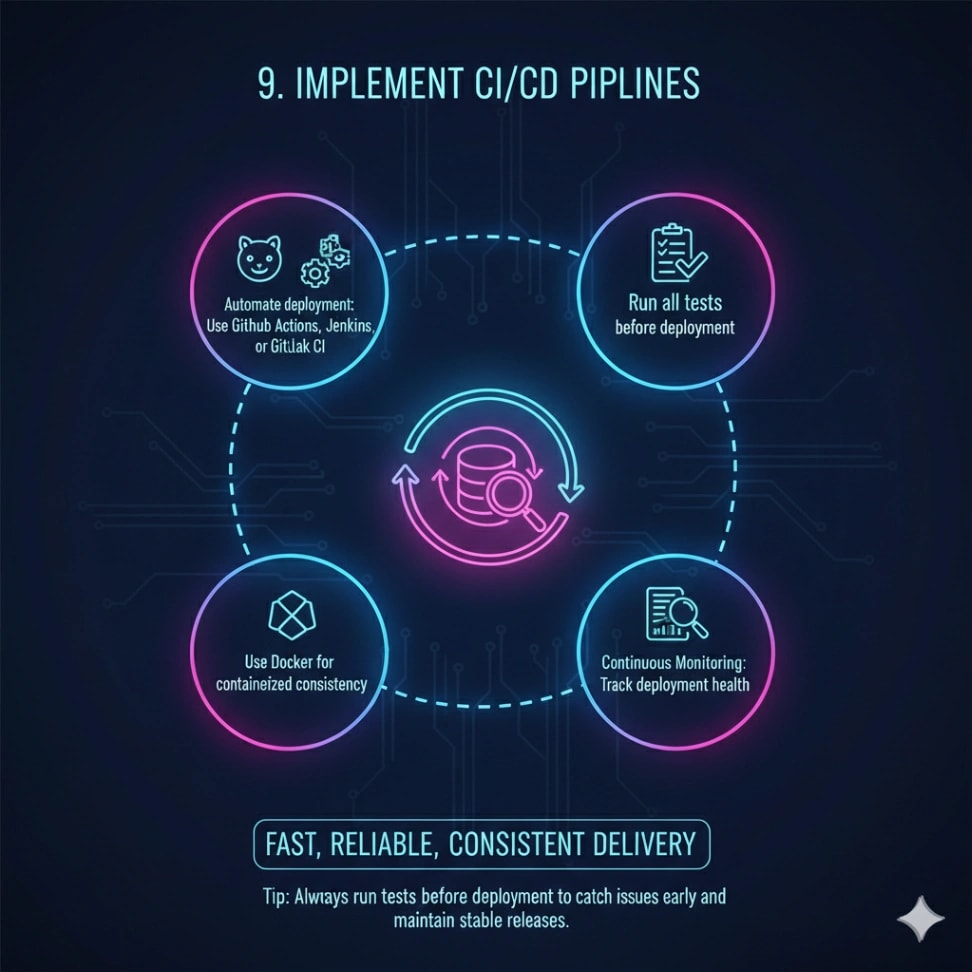
9. Implement CI/CD Pipelines
Automate deployment:
Use GitHub Actions, Jenkins, or GitLab CI
Run all tests before deployment
Use Docker for containerized consistency
Tip: Always run tests before deployment to catch issues early and maintain stable releases.
10. Monitor and Optimize Continuously
Keep your app performing at its best:
Frontend: Lighthouse for performance
Backend: Sentry, New Relic for errors and metrics
Continuously optimize slow queries and heavy components
Tip: Use real user data and logs to identify slow components and continuously improve your application.

Conclusion:
Building a high-performance full-stack application requires careful planning, security, and attention to user experience. By following these tips, developers can deliver scalable, fast, and secure apps that delight users and rank well on search engines.
Start small, follow best practices early, and keep improving. High-performance apps are built step by step.
Explore Topics
#Full-Stack Web Development#High-Performance Web Applications#React Development#Node.js Backend#Scalable Web Apps#Secure Web Applications#Web App Optimization#Modern Web Development Tips